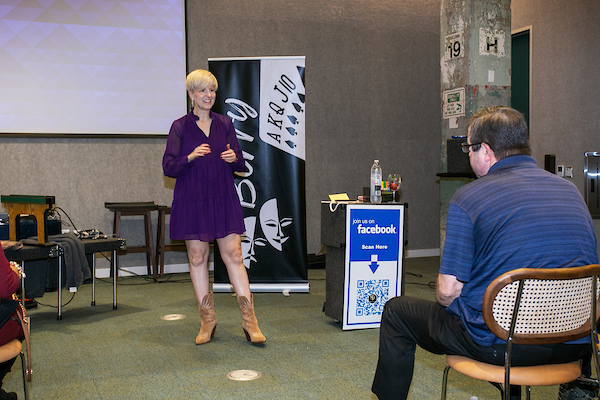
Real experiences from people who felt seen, understood, and supported as they broke old patterns and built healthier, more connected relationships.
★★★★★
A
Alex
Client Testimonial
★★★★★
“Dagmar helped me move from a very difficult place to feeling
secure, comfortable, and valued. I’ve learned tools that have
changed my life and helped me heal things I struggled with
for more than 20 years.”
S
Sarah
Client
★★★★★
“Coaching with Dagmar is the most amazing dating decision I ever made.
I was tired of going from one bad relationship to another and almost
gave up. Her workshops and coaching helped me understand myself,
my dating patterns, and my relationships in a completely different way.
I’m now engaged to a wonderful woman and doing things very differently.”
RB
Robert Berry
Magician & Hypnotist
★★★★★
“After failed relationships and years in therapy, I felt stuck and
needed a different approach. Dagmar helped me become aware of my
relationship patterns and gave me practical tools for my insecurities
and anxiety. I’ve never seen tools like these that actually work.”
DV
Dave Verdon
Retired SACADA Specialist, Oil & Gas
★★★★★
“Dagmar employs insightful tools and a healthy approach that I’ve
never encountered before. Her guidance helped me explore new
perspectives on dating and courtship. I highly recommend her
innovative workshops to anyone looking at relationships with a
fresh outlook.”
MM
Mike Martin
Holistic Health Business Owner
★★★★★
“Dagmar is an incredible coach. Through her guidance, I gained a
deeper understanding of my attachment patterns and how they were
affecting my relationships. Her insights helped me recognize and
transform those patterns, leading to a stronger, healthier connection.”
JL
Jennifer Lara
Business Coach
★★★★★
“Working with Dagmar has been transformative. Her deep knowledge of
relationship dynamics and warm, empathetic approach create a space
where real growth can happen. She listens deeply, understands the
underlying issues, and offers practical guidance that leads to
meaningful change.”
SH
Shawne Hebert
Owner, SRC Financial Consulting
Case Study
From Self-Abandonment to Intentional Love
She entered coaching focused on a painful past relationship,
but discovered the deeper pattern was abandoning her own voice,
values, and needs in order to feel chosen.
Now in a healthy, committed relationship.
★★★★★
KS
Ki Song
Client Testimonial
★★★★★
“I’m learning to be happier with myself and stop looking for
someone to complete me. I need to be my own hero and look for
a partner who is already whole too.”
M
Michael
Client
★★★★★
C
Carrie
Client Testimonial
Case Study
From Closed Off to Emotionally Open
Craig wanted an emotionally available relationship and
discovered that real change also required becoming more
emotionally open, honest, and present himself.
Now showing up differently in a healthy relationship.
★★★★★
“How I see and show up in relationships is changing positively.
I’m taking accountability, listening more deeply, and becoming
a calmer and healthier partner. So many positive changes.”
A
Amy
Client
★★★★★
L
Lisa
Client Testimonial
Case Study
From Business Conflict to Thriving
She came for relationship coaching and discovered that the same
emotional patterns around blame, criticism, and feeling
misunderstood were affecting her business partnership.
Improved communication and a healthier partnership.
★★★★★
CS
Client Story
Video Testimonial
★★★★★
C
Craig
Client Testimonial
Case Study
From Numbness to Self-Trust
He came to coaching feeling emotionally numb and disconnected.
The work helped him understand what the numbness was protecting
and reconnect with himself safely.
Confidence, boundaries, standards, and greater self-trust.
★★★★★
A
Amy
Client Testimonial
★★★★★
N
NazNaz
Client Testimonial
★★★★★
A
Amelie
Client Testimonial
★★★★★
“This workshop unfolded something in me that years of dating disasters
and relationship books never could.”
CN
Carrie Newsome Breneman
Workshop Attendee
★★★★★
“I left knowing I don’t have to settle anymore. For the first time
in years, I felt hopeful about love.”
KS
Ki Song
Workshop Attendee
★★★★★
“Dagmar doesn’t offer one-size-fits-all advice—she takes the time
to understand each person’s story and tailors her coaching to meet
them where they are. I highly recommend Dagmar to anyone seeking
not just better relationships, but a deeper understanding of themselves
and the people they care about.”
SH
Shawne Hebert
Client
★★★★★
After learning how to express what she was feeling and needing,
this client’s husband finally understood. Today, she feels happier,
lighter, and more connected in her marriage than she has in years.
CS
Client Story
Communication Transformation
★★★★★
WA
Workshop Attendee
Video Testimonial
★★★★★
CN
Carrie Newsome Breneman
Video Testimonial
★★★★★
CF
Client Feedback
Video Testimonial
Client Case Study
From Self-Abandonment to Intentional Love and in a Healthy,
Committed Relationship
Client Snapshot
This client first came to Dagmar for a one-time 90-minute session.
At the start, most of her focus was on the relationship she had left
and the toxic behaviors of her former partner.
She talked about how disrespectful, controlling, critical, and
emotionally unsafe the relationship had been. But as they went
deeper, the work shifted.
The real breakthrough came when they stopped focusing only on him
and started focusing on her.
Because the deeper question was not just:
“Why did he treat me that way?”
It was:
“Why did I stay when I knew I was not safe?”
That question opened the door to the real pattern.
The Core Pattern
Her core pattern was self-abandonment.
She struggled to use her voice, especially when something felt hard,
uncomfortable, or unsafe. Instead of speaking clearly, she often kept
the peace. Instead of honoring her own values, she adjusted herself
around his.
She was not doing this because she was weak.
She was doing it because she wanted safety.
She wanted calm. She wanted acceptance. She wanted a relationship
that felt secure.
But in this relationship, she was often met with criticism, judgment,
and drama. Over time, his voice became louder than her own.
She began to use his criticism against herself.
The pattern looked like this:
She avoided hard conversations because she feared being criticized.
She focused on his good qualities and minimized the harm.
She made excuses for behavior that hurt her.
She abandoned her values to keep the relationship alive.
She felt worthy when he chose her, included her, or gave her attention.
At the root of it was a painful belief:
“If someone chooses me, I am worthy.”
That belief made it hard for her to leave, even when the relationship
was costing her peace.
The Deeper Truth
Part of her guilt was connected to the thought:
“I abandoned the relationship.”
She felt shame for leaving. She wondered if she had failed him,
failed the relationship, or walked away without doing enough.
But when they slowed it down, the truth became clearer.
She had not abandoned the relationship. She had abandoned herself
inside the relationship.
She had silenced her voice. She had adjusted her values. She had
tolerated criticism. She had stayed in chaos because part of her
believed the relationship gave her proof that she was chosen,
loved, and enough.
The fantasy was:
“He is committed. He includes me. He gives me his time. He must love
me. This must be going somewhere.”
The reality was:
“I do not feel safe. I do not feel respected. I am shrinking myself
to stay connected.”
That distinction changed everything.
The Work
They used a guilt and shame exercise to help her separate what
happened from who she was.
Guilt says: “I did something bad.”
Shame says: “I am bad.”
She came in carrying shame. She felt like leaving meant she had failed.
But through the work, she began to see that leaving was not failure.
Leaving was self-respect.
They explored how the relationship had affected her self-esteem,
her sense of self, and her ability to trust herself in love.
Then they walked through the deeper story.
She had focused on the good parts of him. He was committed. He was
consistent. He was generous with his time. He included her in his life,
his family, and his world.
Those things mattered to her because they made her feel chosen.
And feeling chosen made her feel worthy.
But the cost was high.
She was choosing external validation over inner peace.
So they worked on a new truth:
“I am worthy of a love that respects me. I am enough as I am.
I would rather be alone and at peace than in chaos. Leaving a toxic
relationship is not failure. It is courage.”
That truth helped her reconnect to herself.
The Shift
By the end of the session, her energy had changed.
She moved from guilt to clarity.
She moved from shame to self-compassion.
She moved from:
“I abandoned him”
to:
“I stopped abandoning myself.”
Her new feelings were peace, calm, aliveness, and self-trust.
Her new actions were clear:
Trust her discernment.
Stay present instead of being led by fear.
Communicate her values and boundaries clearly.
Set boundaries, even if it meant the relationship had to end.
Stop making another person’s validation the source of her worth.
Her homework was to write amends to herself.
Not to him.
To herself.
She needed to forgive herself for beating herself up, for staying too
long, for silencing her voice, and for forgetting her own worth.
The Continued Transformation
After that first session, she joined Dagmar's workshop. Then she
signed up for group coaching.
The work continued. She kept looking at her patterns. She kept
practicing her voice. She kept learning how to date from self-worth
instead of fear.
In her own words, her biggest takeaway was:
“I stopped looking for who to blame for failed relationships and
started examining my ways.”
That sentence captures the transformation.
She stopped making the work only about what someone else did wrong.
She started asking better questions:
“What did I ignore?”
“What did I tolerate?”
“What did I need but not say?”
“What part of me was seeking validation instead of choosing peace?”
That is where her power came back.
The Result
Today, she is in a healthy, committed relationship.
She is dating with intention and with marriage in mind.
But the biggest result is not just that she found a better relationship.
The biggest result is that she became a safer place for herself.
She now understands that love should not require self-abandonment.
She knows her voice matters. She knows peace is not boring. She knows
being chosen by someone else cannot replace choosing herself.
She is no longer dating to prove she is worthy.
She is dating from the truth that she already is.
The Lesson
The lesson from this case is simple:
When you lose your voice in a relationship, you start losing yourself.
And when someone’s validation becomes your source of worth, you may
tolerate things that your deeper self knows are not okay.
Healing begins when you stop asking, “Why did they do this to me?”
and start asking, “What pattern in me kept me participating?”
That is not blame.
That is power.
Because once you can name the pattern, you can break it.
And once you stop abandoning yourself, you can finally choose love
from a place of peace, clarity, and self-respect.
Client Case Study
From Closed Off to Emotionally Open and in a Healthy Relationship
Client Snapshot — Craig
Craig first attended Dagmar's workshop on choosing an emotionally
available relationship.
He came in wanting to understand how to create a healthier relationship,
but one idea from the workshop stood out to him right away:
Instead of only asking, “Do they like me?” or “How do I feel about
them?” ask, “How do I feel around them?”
That question helped him shift his attention.
He stopped making dating only about being chosen. He started observing
himself.
That was the beginning of the change.
The Core Pattern
His core pattern was emotional guardedness.
He did not realize how closed off he was at first. Like many people,
he thought he was simply being careful, independent, or protective
of himself.
But through the workshop and group coaching, he started to see the
pattern more clearly.
He was not fully letting people in.
This showed up in small ways:
Holding back what he really felt.
Not communicating as openly as he could.
Observing others, but not always observing himself.
Focusing on whether the other person liked him instead of noticing how safe, present, and connected he felt.
Keeping emotional distance, even when he wanted closeness.
His desire was a healthy relationship.
But his protection was getting in the way of deeper connection.
The Deeper Truth
The deeper truth was that emotional availability is not only about
choosing someone who is open.
It is also about becoming someone who is open.
He came to the workshop wanting to understand how to choose an
emotionally available partner. But as the work continued, he realized
he also had to look at his own availability.
Was he present?
Was he honest?
Was he communicating clearly?
Was he letting himself be seen?
This was the shift.
He stopped looking only at the other person and started paying attention
to himself in the connection.
That gave him more clarity.
The Work
In the workshop, he learned to observe himself differently in
relationships.
Instead of only focusing on approval, attraction, or chemistry,
he practiced asking:
“How do I feel around this person?”
“Do I feel calm?”
“Do I feel like myself?”
“Am I performing?”
“Am I hiding?”
“Am I open, or am I protecting myself?”
He tried this on a date and noticed the difference right away.
The question gave him a new kind of awareness.
It helped him slow down and listen to his body, his emotions,
and his behavior.
Then, when he joined group coaching, they worked more deeply on openness.
He began to see that communication was not just about saying the right
thing. It was about letting himself be known.
That meant practicing honesty in real time.
It meant sharing more instead of retreating.
It meant noticing when he wanted to close off and choosing connection
instead.
The Shift
The biggest shift was awareness.
He did not come in thinking, “I am closed off.”
He discovered that through the work.
And once he saw it, he could change it.
He began to understand that being emotionally available requires more
than wanting a healthy relationship. It requires the courage to show
up with honesty, presence, and openness.
He started communicating differently.
Not only with his partner, but in other relationships too.
In his own words:
“I’ve noticed an improvement in communication with my partner and
coworkers as well.”
That matters.
Because real growth does not stay in one area of life.
When you become more open, it changes how you date, how you work,
how you speak, and how you connect.
The Result
Today, he is in a healthy relationship.
But the bigger result is that he is showing up differently inside
that relationship.
He is more open.
He is more aware.
He communicates better.
He pays attention to how he feels around his partner, not just whether
he is liked, accepted, or approved of.
That is emotional maturity.
He is no longer only trying to choose an emotionally available
relationship.
He is learning to be emotionally available inside the healthy
relationship he is now in.
The Lesson
The lesson from this case is simple:
A healthy relationship is not just about finding someone emotionally
available. It is about becoming emotionally available too.
When you stop asking only, “Do they like me?” and start asking,
“How do I feel around them?” you return to yourself.
You stop performing.
You stop chasing approval.
You start observing the truth.
And from that truth, you can choose connection with more clarity,
confidence, and care.
Client Case Study
From Poor Relationship with Business Partner to Thriving
Client Snapshot
This client came to Dagmar wanting relationship coaching.
She wanted to be in a healthy relationship. She wanted to understand
herself better in love, communication, and connection.
But as they started working together, something important came up.
The relationship that needed attention first was not a romantic one.
It was the relationship with her business partner.
She and her business partner were butting heads. Their communication
felt tense. She often felt blamed, dismissed, or attacked. Around him,
she felt less than.
That became the doorway into the deeper work.
Because sometimes the pattern you want to heal in dating is already
showing up somewhere else.
The Core Pattern
Her core pattern was emotional activation around criticism, blame,
and feeling misunderstood.
When conflict happened with her business partner, her nervous system
would react. She felt tense. Her body would shift. Her posture changed.
She felt it in her gut.
Underneath the anger was pain.
She felt not smart enough. Not respected enough. Not heard enough.
At times, she questioned whether she deserved to be where she was.
The anger was not the whole story.
The anger was protecting something softer.
It was protecting hurt, fear, insecurity, and low self-esteem.
Her triggers included:
Feeling blamed
Feeling dismissed or ignored
Feeling attacked
Feeling criticized
Feeling like a failure
Feeling like her opinions were not being considered
Feeling misunderstood
The story underneath was:
“I’m not enough.”
That story was affecting the way she communicated, the way she
reacted, and the way she experienced conflict.
The Deeper Truth
The deeper truth was that emotional safety was missing.
She did not just need better communication skills.
She needed to learn what safety felt like in her body.
For her, safety meant:
Calm
Curiosity
Consistency
Connection without control
Feeling acknowledged
Feeling understood
Being able to speak without walking on eggshells
When those things were missing, her nervous system became activated.
She did not feel safe, so she reacted from protection.
That reaction made sense.
But it was not creating the outcome she wanted.
The goal was not to shame her anger. The goal was to understand it.
Because anger often points to pain. And pain is where the healing starts.
The Work
They worked through an emotional safety and anger regulation exercise.
First, she learned what happens when she does not feel emotionally
safe. When there is blame, judgment, assumption, or criticism, the
nervous system can move into protection.
That protection may look like anger, defensiveness, shutting down,
over-explaining, or trying to control the conversation.
Then they slowed the anger down.
Instead of asking, “How do I stop being angry?” they asked better
questions:
“What is this anger trying to protect?”
“What story am I telling myself?”
“What is happening in my body?”
“What need is not being met?”
“What would help me feel safe enough to respond differently?”
She identified that anger showed up as tension, tightness, a racing
heart, shallow breathing, and feeling activated in her body.
She also saw the thoughts behind it:
“I’m not being heard.”
“They always do this to me.”
“I’m not smart enough.”
“I’m being attacked.”
“This is all on me.”
Once she could name the thoughts, she could stop letting them run the
whole conversation.
The Safety Plan
They created a safety plan so she could work through her emotions
before reacting.
The plan gave her something practical to return to when she felt
activated.
Pause before responding.
She practiced stopping before reacting, taking a step back, and giving
herself space.
Take three deep breaths.
This helped her come back into her body instead of staying trapped in
the story.
Observe the sensation.
She learned to notice where the anger lived in her body: her gut,
chest, jaw, heart, posture, and breath.
Name the emotion.
“I’m feeling activated right now. I’m not ready to respond yet.”
Separate the story from the truth.
“What story is my brain telling me right now?”
Return to her worth.
“My worth is not at risk.”
Communicate from neutrality.
Observation + Feeling + Need + Request
For example:
“When I noticed that the client’s feedback wasn’t addressed after we
agreed on changes, I felt frustrated and confused. I really value
reliability and shared responsibility. Would you be open to us
reviewing how we’re dividing tasks so we can both feel clear and aligned?”
This helped her speak without blame.
It also helped her honor her needs, even if the other person did not
respond perfectly.
That was a huge shift.
Because communication is not about controlling someone else’s reaction.
It is about honoring your truth with clarity.
The Shift
The biggest shift was that she stopped seeing her anger as the problem.
She started seeing it as information.
Her anger was showing her where she felt unsafe, unseen, and less than.
Once she understood that, she could respond with more awareness.
She learned to pause instead of react.
She learned to feel the emotion in her body instead of letting it
take over.
She learned to communicate her needs without making the other person
the enemy.
And she learned that her worth was not something her business partner
could give or take away.
That changed the dynamic.
The Result
Not only did her relationship with her business partner improve,
but he also ended up seeking help too.
That is powerful.
Because when one person changes the pattern, the whole relationship
system can shift.
She came in wanting relationship coaching, and through the work,
she saw that healthy relationships are not only about romance.
They are about emotional safety.
They are about how we handle conflict.
They are about whether we can stay curious instead of blaming,
stay connected instead of controlling, and stay grounded instead
of reacting from old pain.
Her communication improved. Her emotional awareness improved.
The business partnership improved.
And most importantly, she began relating from a more secure place
inside herself.
The Lesson
The lesson from this case is simple:
The relationship pattern is rarely only in one relationship.
It follows you until you face it.
For this client, the pattern showed up through anger, criticism,
blame, and feeling less than. But underneath it was a deeper need
for safety, understanding, and self-trust.
Once she learned to pause, feel, name the story, and communicate
from her values, everything started to change.
Emotional safety is not the absence of conflict.
It is the ability to stay connected to yourself when conflict happens.
That is what creates healthier love, healthier communication,
and healthier relationships in every area of life.
Client Case Study
From Numbness to Self-Trust
Client Snapshot
This client first came to Dagmar for one coaching session.
At the time, he felt numb.
He knew something was off, but he could not fully explain it.
He had done work before, but he had never been able to get to
the root of what he was carrying.
After that first session, he signed up for four months of
one-on-one coaching.
That gave them the space to go deeper.
The Core Struggle
His core struggle was emotional numbness.
He was disconnected from what he felt, what he needed, and what
felt safe in his body.
On the surface, numbness can look like calm.
But it is not always peace.
Sometimes numbness is protection.
It can be the body’s way of saying:
“This was too much, so I shut it down.”
For him, the numbness was connected to an old wound.
He had always felt singled out.
He felt different.
And because of that, part of him learned to disconnect instead
of fully feel.
The Deeper Truth
The deeper truth was that he did not just need to think differently.
He needed to feel safe differently.
He had spent a long time living from protection. His body did not
know what safety felt like yet.
So the breakthrough was not only:
“I understand my trauma.”
The breakthrough was:
“I can finally see why I shut down.”
That changed everything.
Once he understood the root, they could stop treating numbness
like the problem and start seeing it as a signal.
His numbness was not weakness.
It was protection.
But protection was no longer the same as peace.
The Work
They focused on helping him reconnect to himself slowly and safely.
The work was not about forcing him to feel everything at once.
It was about building enough safety in his body so he could begin
to feel without becoming overwhelmed.
Dagmar created a private meditation for him that was specific to
his experience. It helped him slow down, connect with his body,
and begin creating a sense of inner safety.
They also built practical tools around:
Emotional awareness
Nervous system safety
Self-trust
Boundaries
Dating triggers
Confidence
Standards
He began learning how to notice what was happening inside him
instead of ignoring it, suppressing it, or judging it.
He started asking:
“What do I feel?”
“What do I need?”
“What feels safe?”
“What feels like self-abandonment?”
“What standard am I allowed to have here?”
Those questions helped him return to himself.
The Shift
One of the biggest shifts was boundaries.
Before coaching, he had not really set boundaries with family.
He was used to adjusting, staying quiet, or abandoning himself
to keep the peace.
But as his confidence grew, he started doing something new.
He started speaking up.
He started setting limits.
He started noticing when something did not feel right and honoring
that instead of overriding it.
That was a major change.
He also began dating differently.
In the past, dating would trigger him. It would bring up old fears,
old wounds, and old patterns.
But through the work, he learned how to stay connected to himself
while dating.
He did not have to collapse into fear.
He did not have to abandon himself for connection.
He did not have to feel ashamed for having standards.
Standards are not too much. Standards are self-respect.
The Result
The result was confidence.
Not loud confidence.
Real confidence.
The kind that comes from knowing yourself, trusting yourself,
and no longer needing to betray yourself to be accepted.
He is no longer abandoning himself.
He is setting boundaries with family.
He is dating without getting triggered the way he used to.
He has standards and is not ashamed of them.
He understands himself more deeply.
And most importantly, he is learning what safety feels like in
his own body.
That is the transformation.
The Lesson
The lesson from this case is simple:
Numbness is not always emptiness.
Sometimes numbness is protection.
But you cannot build a healthy relationship while disconnected
from yourself.
You have to come back to your body.
You have to learn what safety feels like.
You have to honor your standards.
You have to stop abandoning yourself just to stay connected to others.
When he got to the root of the wound, he stopped seeing himself
as broken.
He started seeing himself clearly.
And from that clarity, he built confidence, boundaries, and self-trust.
This is not a client testimonial. It is Dagmar’s own story — a personal look
at the experiences, reflection, vulnerability, and growth that shaped the work
she does today.
Everyone Has a Past. Everyone Has a Story.
We all bring pieces of our past into our relationships, our work,
our families, and the way we see ourselves.
Dagmar spent years examining her own experiences, mistakes, patterns,
and personal growth. That process became part of the foundation for the
work she now does with others.
This story gives people a chance to understand the person behind the work —
not through a testimonial, but through Dagmar’s own lived experience.
“No shame, no gain.” Growth often begins when we are willing to look honestly
at where we have been and decide what we want to change.
Human Connection Coaching
Feel closer to the right people
Stop shrinking yourself, start speaking honestly, and build relationships that feel real.
Know what you need. Say what you mean. Choose people who can truly meet you
Featured In
Tiny Buddha
Beverly Hills Magazine
Women’s Insider
Becoming Emotionally available
Honest conversations about relationships, communication, and deeper connection.
A simple way to stop overthinking, over giving, being guarded, and build stronger connections
Slow down
Tune into your feelings
Own the truth
Practice a healthy new step
Awareness becomes action. Actions becomes change.
Work With Me
chose the support that fits you
Whether you need personal coaching, group support, or a workshop, the goal is the same: understand the pattern, speak honestly, and build stronger connections.
See the pattern. Tell the truth. Choose better. Feel connected again.
coaching
Personal support to break patterns and build healthier relationships. Best for: Young and older adults who want to choose and build a healthier relationship.
Group coaching
Grow with others while practicing healthier communication and connection. Best for: Adults who want to understand the opposite gender and build healthier relationship skills.
Workshops & Talks
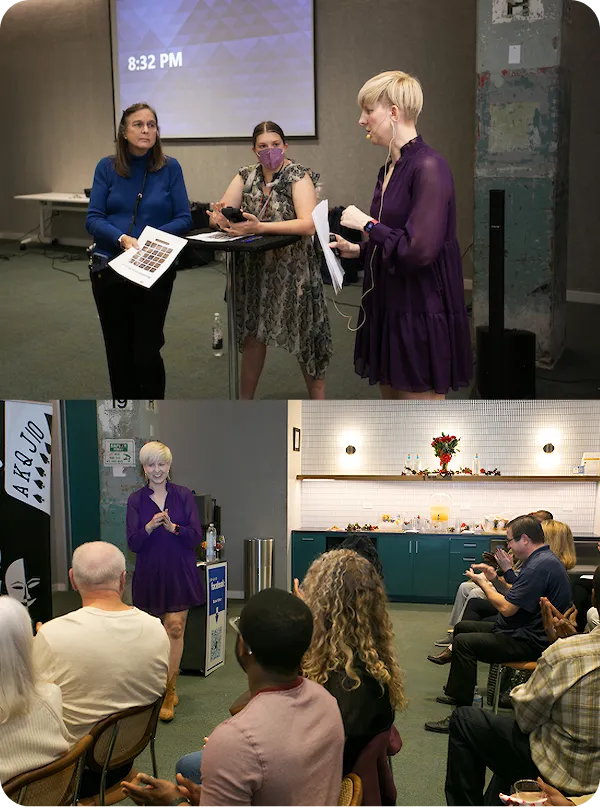
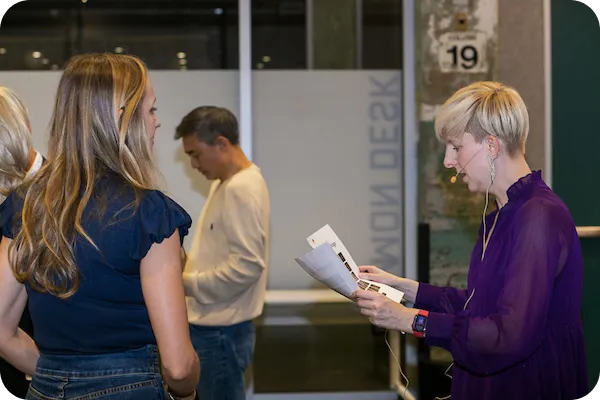
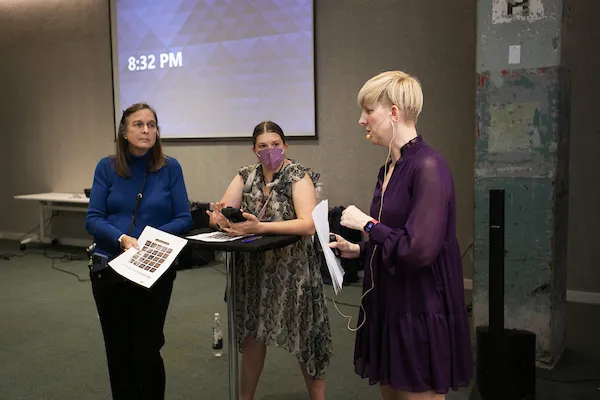
Practical conversations about communication, confidence, boundaries, and connection. Best for: schools, teams, retreats, and communities.
Professional partnerships
Collaborate through referrals, workshops, tools, and relationship support. Best for: matchmakers, therapists, and mental health professionals.
SEE GROUP COACHING in action
A Real Coaching Moment See how Dagmar helps a client recognize the pattern underneath what he’s experiencing and turn that awareness into a meaningful shift.
Start on your own, work personally with Dagmar,
grow alongside others, or bring this work into your organization.
Each path helps you understand patterns,
communicate more honestly, and build healthier relationships.
More Clarity
Aligned Compatibility
Improved Communication
One Goal
Choose Better Relationships
Understand the pattern.
Speak honestly.
Choose from clarity instead of fear.
Featured Course
Dagmar’s Choose Better Relationships
Stop abandoning your needs and start choosing
emotionally available relationships.
Format
Self-study course
Time
Self-paced • 2 hours
Investment
$99 USD
Access
Lifetime
Recognize self-abandoning patterns,
understand what keeps pulling you toward unavailable relationships,
and start choosing with more clarity and self-trust.
Collaboration for professionals working around
relationships, communication,
and emotional connection.
Best for referrals, matchmakers,
therapists, workshops, and retreats.
It’s a coach that helps you identify and break the patterns keeping you stuck like being closed off, overthinking, or overgiving so you can choose and build healthier connections. Unlike therapy, which often focuses on past wounds, coaching focuses on the now and is future- and action-oriented. We work together so you can date differently and build healthier relationships.
2. What qualifies you to be a relationship coach?
I’m a certified relationship coach currently working on my International Coaching Federation certification (ICF), with 12 years in recovery programs, years of personal therapy, and training in Nonviolent Communication. But honestly? My biggest qualification is that I’ve lived this. I nearly married my father an emotionally unavailable engineer with narcissistic tendencies. I’ve been the avoidant overthinker and over-giver. I’ve ignored red flags. I’ve trauma-bonded.
And I spent two years breaking those patterns.
Now I help others do the same, faster and with less pain. And I am dating in a healthier way.
3. Does relationship coaching even work?
If you’re willing to do the work? Absolutely.
My clients report feeling less anxious, more confident, and choosing emotionally available partners within 3–6 months. Some of my clients are now in healthy relationships. Another saved her business partnership.
But here’s the thing: coaching works if you’re ready to stop repeating patterns and start taking ownership.
If you just want to vent about your exes, therapy might be better.
Check out the testimonials they speak for themselves.
4. How much does a relationship coach cost?
The prices are on the Singles and Divorced page.
Think of it this way: How much have you spent on therapy, dating apps, bad dates, and relationships that didn’t work?
How much is another five years of the same pattern worth to you?
Investment in yourself always pays the highest return.
5. Is hiring a relationship coach worth it?
Only if you're serious about change. If you've tried therapy, read the books, listened to the podcasts, and you're still stuck, you need a different approach. Coaching gives you frameworks, tools, and accountability that generic advice can't. My clients wish they'd started sooner. But if you're not ready to look at YOUR patterns (not just blame your exes), save your money.
6. Is coaching right for me?
Coaching is right for you if you're: tired of choosing emotionally unavailable people, ready to stop people-pleasing and set real boundaries, done with therapy that keeps you stuck in the past, willing to do uncomfortable inner work, and actually want a committed, healthy relationship (not just attention or validation). It's NOT right if you: just want to complain about your ex, aren't willing to examine your own patterns, or think everyone else is the problem.
7. Who's the best relationship coach for singles?
Look for someone who: has actually done their own work (not just read about it), teaches Non-Violent Communication (most coaches don't), focuses on attachment styles and emotional availability (not just "mindset"), offers real tools (not just inspirational quotes), and has testimonials from people like you. I specialize in high-achievers who are successful everywhere except love and who are ready to change that.
8. How should I choose a relationship coach?
Trust your gut. Does their story resonate? Do their values align with yours? Do they walk the talk? Red flags: coaches who promise you'll find love in 30 days, coaches who've never done their own healing work, coaches who focus only on "attracting" partners (not becoming emotionally available yourself). Green flags: transparency about their own journey, focus on YOUR patterns (not just dating tactics), frameworks you can actually use.
9. Should I work with a relationship coach near me?
Not necessary! All my coaching is virtual (Zoom). What matters more than location is whether the coach understands YOUR specific challenges. I work with clients across North America, from Chicago to Houston to Iowa City. Geographic proximity matters way less than psychological alignment.
10. OK, fine, what's next?
Book a free clarity call.
We’ll talk about where you’re stuck, what patterns keep showing up, and whether coaching is right for you.
No pressure. No sleazy sales tactics. Just an honest conversation about what you need.
Worst case? You get 30 minutes of free coaching.
Best case? You start the journey to finally breaking free.
Join Emotionally Available High-Achievers
I share free relationship tips on my Instagram and LinkedIn every week. Don't be the person who stays stuck when the tools are right here 😊